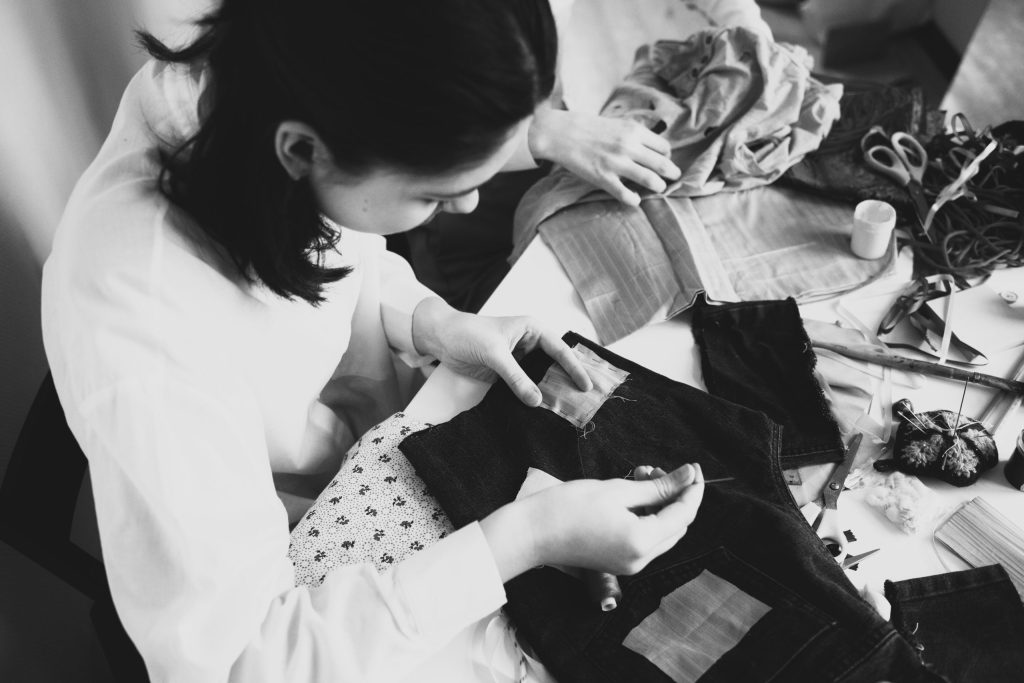
Have you ever walked into a shop looking for a new handmade sweater or dress, and wondered how to know if it’s really worth the price? With so many unique pieces out there, it can be tough to tell which ones are truly high-quality. Knowing how to check the quality before you buy can save you time, money, and disappointment. In this guide, we’ll show you how to check for the durability, craftsmanship, and attention to detail that set great handmade clothes apart from the rest.
Why Quality Matters in Handmade Clothes
When it comes to handmade garments, quality is not just about appearance; it’s about durability, comfort, and the meticulous craftsmanship that goes into each piece. Unlike mass-produced garments, handmade clothing is often crafted with meticulous attention to detail, making each piece unique. Understanding how to assess quality makes sure that you’re not only getting a beautifully crafted item but also one that will last and provide value for your money. Whether it’s the fabric, stitching, or finishing touches, every small detail adds to the overall quality of the garment.
1. Feel the Fabric
First things first—how does the fabric feel? High-quality handmade clothes often use natural materials like cotton, wool, linen, or silk, which are soft, breathable, and comfortable against the skin. As you run your fingers over the fabric, please pay attention to its texture and weight. It shouldn’t feel too thin or flimsy but rather have some substance to it. A solid fabric indicates durability and attention to detail in the crafting process.
2. Check the Stitching
Stitching says a lot about a garment’s quality. When inspecting the seams, look for neat, straight stitches that are consistent throughout. Uneven or loose stitching can be a sign of poor craftsmanship. High-quality handmade garments use strong threads and secure stitching, especially in areas that endure wear, like armholes, side seams, and hems. If you spot reinforced stitching in these high-stress areas, that’s a good sign of durability.
3. Examine the Lining
The lining of a garment plays a big role in its overall quality. A well-made garment should have a lining that’s as carefully crafted as the outer fabric. It should feel smooth, without any wrinkles or puckering, and mirror the outer fabric’s assembly in both design and quality. The seams of the lining should align perfectly with those of the outer fabric, showing that no shortcuts were taken in making the garment.
4. Look at the Design and Assembly
The way a garment is assembled speaks volumes about its quality. Take a moment to assess how the pieces fit together. Look for aligned patterns at the seams, especially in garments with stripes, plaids, or prints—the patterns should match perfectly. Check that the proportions are even and the garment has a well-balanced shape. Quality garments also feature neatly finished hems and clean edges. These small details show that the garment was thoughtfully put together with careful attention to every aspect of its design.
5. Pay Attention to Hardware and Embellishments
Details like buttons, zippers, and embellishments are often what make handmade garments stand out. Look for buttons that are securely attached and check that buttonholes are cleanly finished. Zippers should glide smoothly and be securely sewn into place. If there’s any embroidery, appliqué, or beadwork, make sure that they’re firmly attached without loose threads or signs of wear.
Shop the Beautiful Collection at Habibe London!
Now that you know how to spot a great handmade garment, it’s your turn to find something special! Check out Habibe London’s collection! Every piece is carefully crafted to bring you style and quality. Don’t rush take your time to choose pieces that will last and add a personal touch to your wardrobe. Happy shopping!
Conclusion
Buying handmade clothing is a choice for quality, sustainability, and uniqueness. By paying attention to the fabric, stitching, design, and overall craftsmanship, you can make sure each piece you buy is a great addition to your wardrobe. Remember, the true value of handmade clothes comes from the skill and passion of the artisan, and your careful eye helps support and celebrate their work.
FAQs:
1. Can handmade garments be washed like regular clothes?
Most handmade garments made from natural fabrics require special care, like hand washing or gentle machine cycles. Always check the care instructions provided by the maker to keep your piece in top condition.
2. Are they more expensive than mass-produced ones?
Yes, handmade clothing tends to be pricier because of the time, skill, and attention to detail involved in making each piece. However, the investment in quality and uniqueness often outweighs the cost.
3. How long will handmade clothes last compared to mass-produced items?
They are often more durable due to their high-quality materials and craftsmanship, which can lead to a longer lifespan. With proper care, these garments can last for years, sometimes even becoming heirlooms.
4. Do these clothes require more maintenance than regular clothes?
Handmade clothes, especially those made from delicate or natural fibers, might need more care, such as gentle washing or hand washing. However, this extra maintenance ensures they last longer and maintain their beauty.