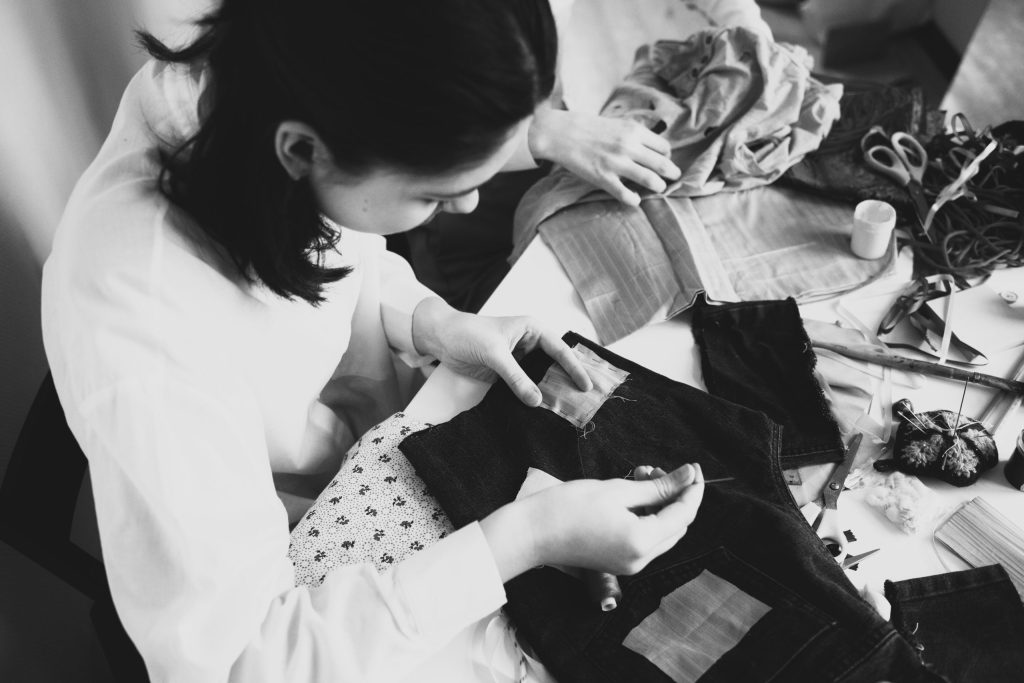
Clothes shape first impressions, but tailoring decides whether they actually work. Many people blame the fabric or size when clothes feel wrong, still the real issue often comes down to who handled the stitching. The difference between poor work and quality work comes with certain comfort, balance, and durability. This guide explains how tailoring quality affects garments and how to spot the right tailor with confidence.
Bad Tailor vs Great Tailor: The Main Difference
The main difference lies in the approach. A bad tailor works fast and guesses. A great tailor plans, measures, and checks before cutting. One hopes the garment turns out fine, while the other controls the outcome. This contrast becomes clear the moment you wear the clothes and even more obvious after repeated use.
1. Skill and Technical Ability
A bad tailor relies on basic techniques and avoids difficult work. They rush measurements and depend on quick fixes that rarely last. A great tailor builds skill through years of hands-on work. They understand balance, angles, and structure.
This level of expert tailoring produces clean seams, smooth drape, and garments that move naturally with the body.
Signs of strong skill include:
- Straight seams without pulling
- Sleeves that hang evenly
- Hems that remain level
- Understanding Fit and Body Shape
A bad tailor often believes tighter clothing looks better. This creates discomfort and strain. A great tailor studies posture, proportions, and movement. They shape garments to fit the body naturally instead of forcing it into a cut. When fit works, clothes feel effortless. When fit fails, every movement feels wrong.
2. Quality of Measurements
Poor measurements lead to poor results. A bad tailor measures once and moves on. A skilled tailor measures carefully, checks again, and notes details like shoulder slope and waist balance. These small adjustments prevent major fitting problems later and save time during fittings.
3. Attention to Detail
Details reveal the quality of work. A bad tailor leaves loose threads, uneven seams, and poorly placed buttons. A great tailor finishes garments cleanly inside and out. Seams look neat, edges stay strong, and the garment lasts longer. Good detail work always shows over time.
4. Communication With Clients
Poor communication often leads to disappointment. A bad tailor rushes conversations and ignores concerns. A professional tailor asks clear questions and explains what can or cannot be changed. This clarity helps clients make better decisions and prevents misunderstandings.
5.Handling Dress Alterations
Dress alterations expose real skill. A weak tailor shortens garments without reshaping them, which ruins flow and balance. A skilled tailor adjusts length while preserving proportions and movement. Proper dress alterations improve comfort without changing the garment’s character.
6. Working on Structured Garments
Structured garments require precision. A bad tailor avoids complex suit alterations because they lack confidence with the shoulders and lapels. A skilled tailor understands garment construction and improves fit without damaging the structure. This ability defines high-quality formal wear.
7. Fabric Knowledge
A bad tailor treats all fabrics the same, which causes shine marks, stretching, or damage. A great tailor adjusts tools, pressure, and technique based on fabric type. Understanding weight and grain protects both the garment and the investment.
8. Consistency of Results
Anyone can deliver one good result by chance. A bad tailor produces mixed outcomes over time. A great tailor remains consistent. Each visit meets the same standard. This reliability defines trustworthy tailoring services.
9. Time Management and Delivery
Poor tailors promise speed but miss deadlines. Rushed work leads to mistakes. A professional tailor sets realistic timelines and delivers garments ready to wear. Reliable delivery builds trust and long-term relationships.
10. Value Over Cheap Pricing
Cheap tailoring often costs more in the long run. Poor fixes fail quickly and require repeat work. Quality tailoring lasts longer and maintains garment shape. True value comes from durability, not low price.
11. Brand-Level Expectations
Premium brands depend on precision and clean finishing. A great business always reflects this standard through refined fit and careful detailing. Quality tailoring supports brand trust and ensures garments perform as intended.
What Makes a Great Tailor Worth Choosing
A great tailor delivers more than just a better fit. They understand fabric, balance, and how clothes should move on the body. Instead of rushing, they focus on precision and comfort, which leads to lasting results.
This level of care reflects the same standards seen in brands like Habibe London, where fit and detail matter as much as design. When tailoring is done right, garments feel natural, look sharp, and hold their shape over time.
Final Thoughts
The difference between a bad tailor and a great tailor appears in every wear. Fit, comfort, and durability depend on skill and care. Choose knowledge over guesswork and quality over speed. Good tailoring always shows.
Frequently Asked Questions
How can I tell if a tailor is good before giving clothes?
A: Check finished garments, inspect seams, and ask questions. Clear answers show confidence.
Why do clothes feel uncomfortable after alterations?
A: Poor balance causes discomfort. Size alone does not ensure comfort.
Are professional tailors worth the higher prices?
A: Yes. Their work lasts longer and avoids repeat fixes.
How long do dress alterations take?
A: Simple changes take days. Complex work takes longer. Rushing reduces quality.
Can all suit alterations be done safely?
A: No. Structure limits changes. A skilled tailor explains these limits.
How often should tailoring be done?
A: When fit changes or garments feel off. Regular checks maintain comfort.